
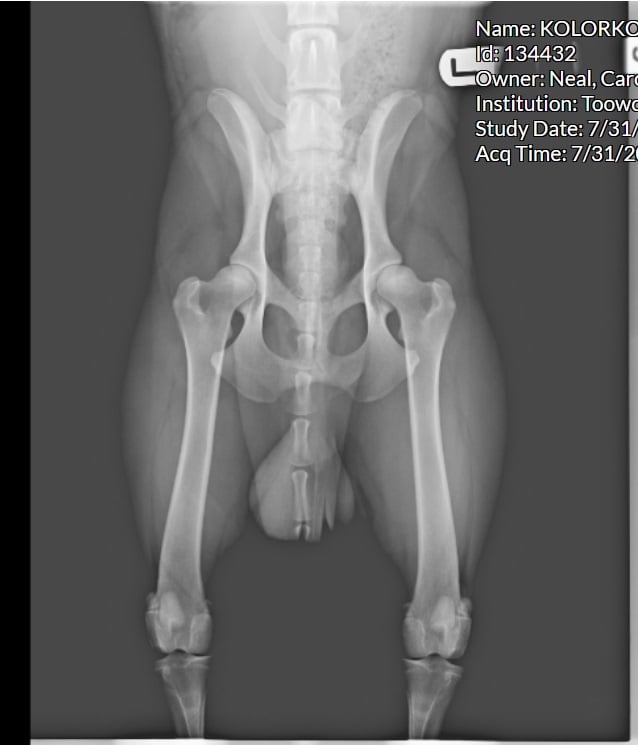
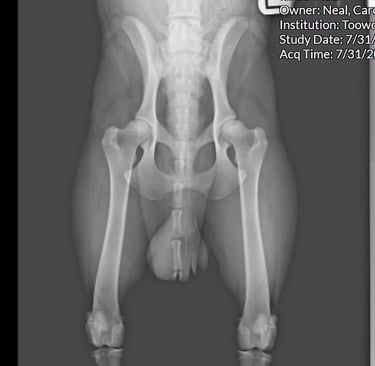
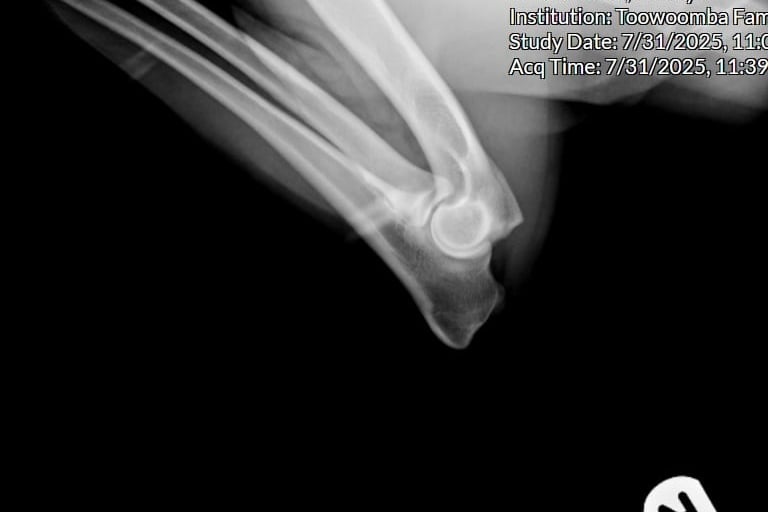
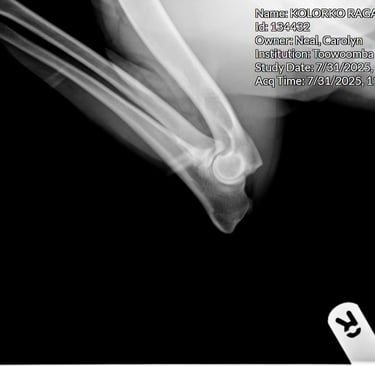
Hip scoring is an essential aspect of maintaining the health and integrity of Border Collies, a breed known for its agility and capacity to perform strenuous activities. This scoring system helps identify hip dysplasia, a common condition in dogs characterized by improper formation of the hip joint. Early detection through hip scoring has significant implications for the management and quality of life of these dogs.
Several risk factors contribute to the likelihood of hip dysplasia in Border Collies, including:
1. **Genetics**: The hereditary nature of hip dysplasia means that dogs with a family history of the condition are at a higher risk. Responsible breeding practices can help mitigate this risk by selecting dogs with normal hip scores as breeding pairs.
2. **Weight**: Obesity can strain the joints, exacerbating any existing hip issues. Maintaining a healthy weight is crucial for Border Collies to ensure their joints remain stress-free.
3. **Exercise**: While Border Collies are active dogs that require regular exercise, excessive or improper exercise during growth stages can lead to joint problems. It’s essential to strike a balance between adequate physical activity and allowing the dog’s body to develop properly.
4. **Nutrition**: A balanced diet rich in essential nutrients supports healthy growth and development. Certain diets can also promote joint health, making proper nutrition a crucial factor in preventing hip dysplasia.
5. **Gender**: Studies indicate that male dogs may be at a higher risk of developing hip dysplasia compared to females, making it important to consider this factor when assessing the breed.
In conclusion, understanding the importance of hip scoring in Border Collies and recognizing the contributing risk factors enables owners and breeders to make informed decisions to promote the long-term health of these vibrant and intelligent dogs.
IMPORTANCE OF HIP SCORING